The Rise of Outdoor Kiosks: A Game-Changer for Businesses
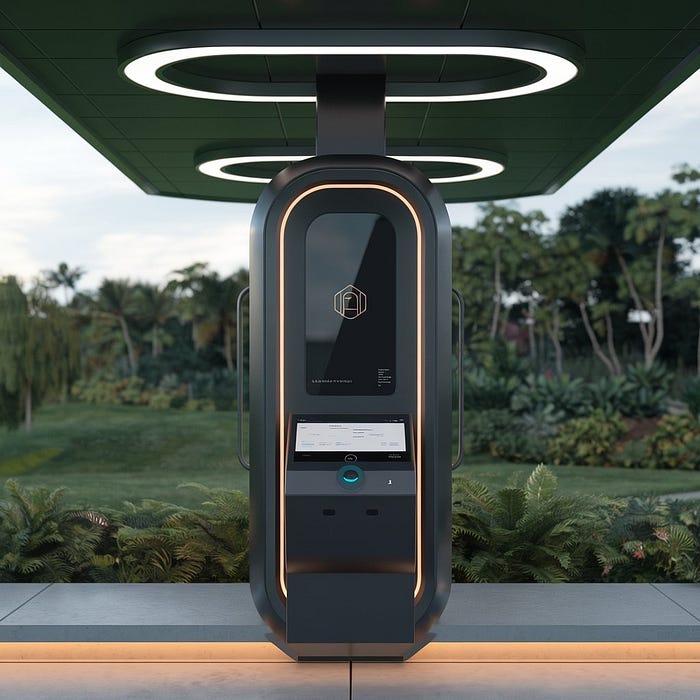
Outdoor kiosks are revolutionizing customer interactions and operational efficiency across multiple industries. From self-service options at fast-food restaurants to interactive information points in public spaces, these kiosks provide convenience, speed, and enhanced user experience. In this blog post, we will explore what outdoor kiosks are, their various types, benefits, challenges, and real-world success stories. By the end, you will have a comprehensive understanding of whether outdoor kiosks could be a strategic addition to your business.
Understanding Outdoor Kiosks
What Are Outdoor Kiosks?
Outdoor kiosks are standalone digital or mechanical stations designed to operate in open-air environments. They serve various purposes, from providing information to facilitating transactions. These kiosks leverage technology to automate processes and enhance customer engagement, making them a valuable tool for businesses and public service providers alike.
Types of Outdoor Kiosks
Outdoor kiosks come in different forms, each tailored to specific business needs:
- Informational Kiosks — These kiosks provide maps, directories, or general information, often found in malls, tourist attractions, and public transit hubs.
- Self-Service Kiosks — Commonly used in retail, food service, and banking, these kiosks allow customers to place orders, pay bills, or complete transactions without staff assistance.
- Promotional Kiosks — Often used in marketing campaigns, these kiosks showcase advertisements, interactive product demos, and promotional content to attract customers.
Features and Technologies
Modern outdoor kiosks are equipped with advanced technology to ensure seamless operation and user satisfaction. Some key features include:
- Touchscreen Interfaces — Intuitive and easy to use, allowing customers to navigate menus and services effortlessly.
- Payment Systems — Integration with cashless payment methods such as credit cards, digital wallets, and contactless payment solutions.
- Connectivity Options — Wi-Fi, 4G/5G, and Bluetooth capabilities to ensure real-time data updates and cloud integration.
- Weatherproof and Anti-Theft Designs — Durable enclosures to withstand harsh environmental conditions and security threats.
Benefits of Using Outdoor Kiosks
Enhanced Customer Experience
One of the primary advantages of outdoor kiosks is the improvement in customer experience. These kiosks provide faster service, reduced wait times, and greater accessibility. For example, self-ordering kiosks in fast-food chains allow customers to customize their orders easily, leading to higher satisfaction rates.
Cost-Effectiveness
Businesses can significantly reduce labor costs by implementing outdoor kiosks. Rather than hiring additional staff for customer service or payment processing, a single kiosk can handle multiple transactions simultaneously. Additionally, kiosks help reduce human errors, ensuring more efficient and accurate operations.
Increased Sales Opportunities
Outdoor kiosks open up new revenue streams by offering targeted upselling and cross-selling opportunities. With dynamic digital menus and AI-driven recommendations, businesses can encourage customers to purchase additional items or opt for premium services, ultimately boosting sales.

Potential Challenges and Considerations
Maintenance and Security
Despite their benefits, outdoor kiosks require regular maintenance to ensure smooth operation. Businesses must invest in routine software updates, hardware inspections, and security measures to protect against vandalism and cyber threats.
Location and Accessibility
Strategic placement is crucial for maximizing the effectiveness of an outdoor kiosk. Factors such as foot traffic, visibility, and accessibility for differently-abled individuals must be taken into account. A poorly placed kiosk may result in low engagement and underutilization.
Case Studies and Success Stories
Retail Sector
Retail giants have successfully adopted outdoor kiosks to enhance customer engagement and streamline shopping experiences. For instance, large supermarkets have deployed self-checkout kiosks outside their stores, allowing customers to make quick purchases without entering the main shopping area.
Food and Beverage Industry
Fast-food chains like McDonald’s and KFC have widely implemented outdoor kiosks for self-ordering, reducing order wait times and enhancing operational efficiency. These kiosks have also enabled 24/7 service in select locations, catering to late-night customers without additional staffing requirements.
Conclusion
Outdoor kiosks are transforming businesses by improving customer service, reducing operational costs, and increasing sales potential. While challenges such as maintenance and security exist, strategic implementation can help businesses maximize their benefits. If you’re considering outdoor kiosks for your business, evaluating your specific needs and potential ROI will help determine their viability. With continuous advancements in technology, the future of outdoor kiosks looks promising, making them a worthy investment for businesses aiming to enhance efficiency and customer engagement.
Comments
Post a Comment